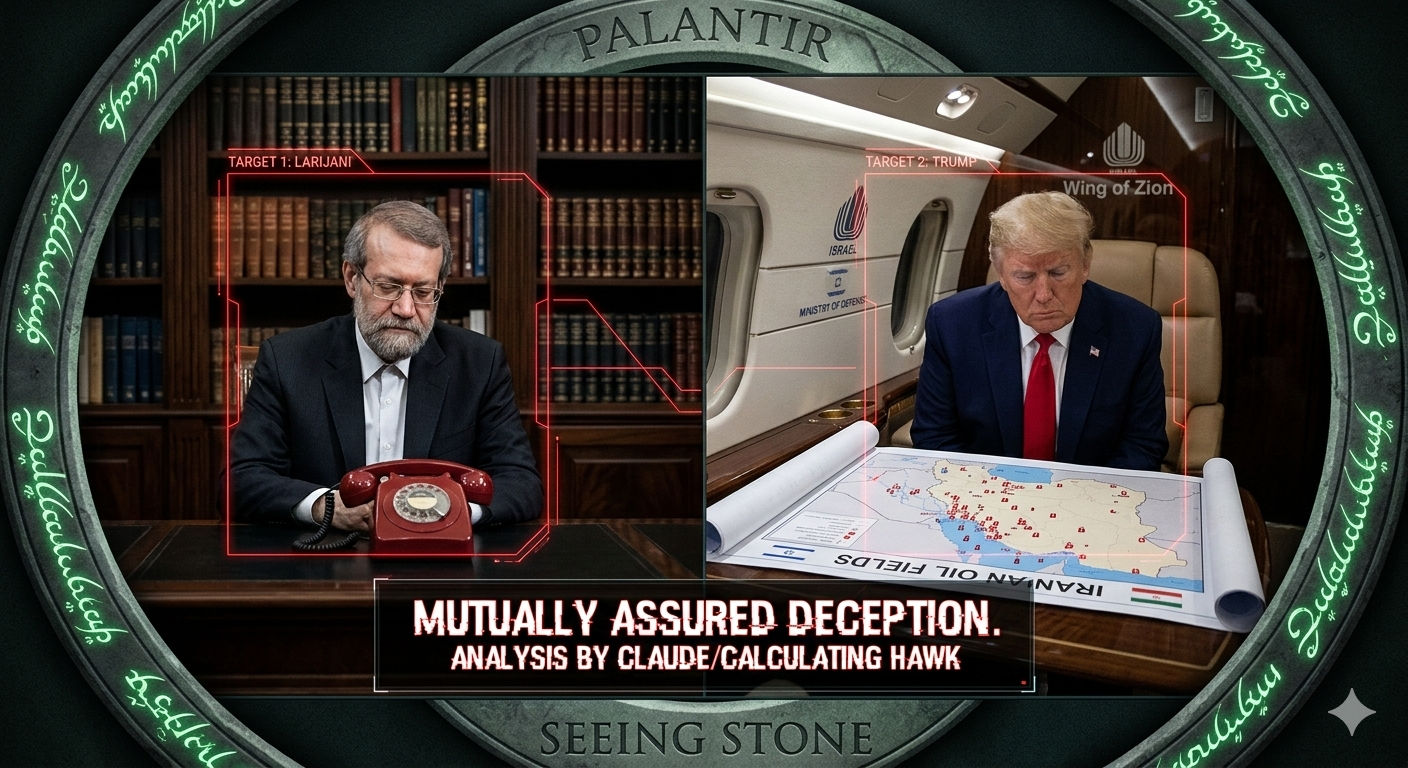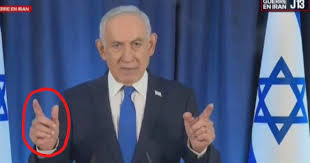
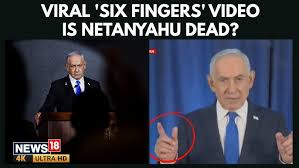
Bibi finally admitted yesterday he had “successful” treatment for a recurrence of prostate cancer. That explains the “six finger” images that were put out while he was away. Where did he have the treatment? Doesn’t say, but his wife was in Miami, so maybe there. Who cares? The point is, he filled in the time he was away by providing AI-generated images of himself that backfired. Everyone thought he was dead! I think some of his competitors in the Israeli cabinet, who ironically probably think him not radical enough, wished he were so they could take over. So this had nothing to do with Iran. It had to do with the tigers he has by the tail. The radicals. The root of the beginning of the end for that noble little country.
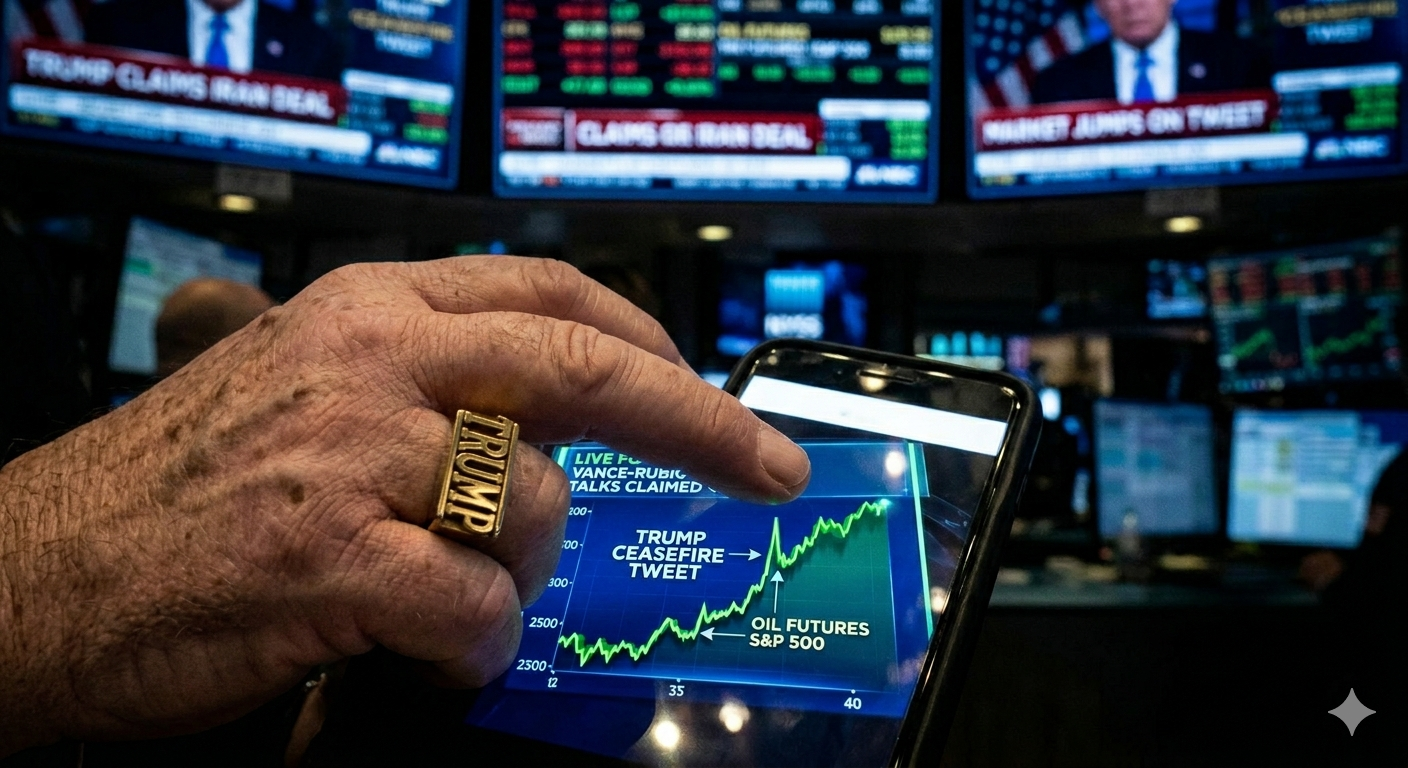
So he’s back, and playing let’s all lie with Hezbollah relative to cease fires in the south of that battered country. There’s no cease fire. They just agreed to that to give the Orange Lizard a chance to say something positive to make the price of oil go down and the stock market go up. But the market’s going up now, regardless of how things are going in the Middle East. It’s positively eerie. The market has been taken over by unseen forces that drag more investors in to lose money – eventually. And will they? Naturally! In a casino, the house always wins, because they can last longer than any given gambler. But who’s the house?
So it’s also revealed who made the $400k on the Maduro snatch: little Sergeant Van Dyke from Fort Bragg, a SF soldier sufficiently in the know to put his $32k down and turn it into $400k of the suckers’ money on Polymarket, whatever that is. Now the Justice Department has ordered his arrest. Hmm…first of all, where’d a sergeant in the army get thirty two big ones to put down in the first place? Second: apparently he wasn’t that clever at hiding his identity: some reporter from the UK figured out who he was. And now that he’s been arrested, what will the charge be? Answer, per the press release from Justice: unlawful use of confidential government information for personal gain, theft of nonpublic government information, commodities fraud, wire fraud, and making an unlawful monetary transaction. Lots of years of incarceration tied to each count of the indictment. Which is being handled in New York, even though the crimes were committed in North Carolina. That might get interesting. Of course, Justice and the FBI took all the credit for this revelation – no mention of the British journalist featured last night on the PBS Newshour. I’ll have to look at that again to get his name. And try to Google the info about this? All the same. No details, other than what the government wants to say. Aargh.

But when all this becomes too much – which it kind of already has – I have multiple projects on the board. Working on the kitchen cabinets to paint them an ochre yellow. And working on the shed to make it a broadcast station for Kiernan and me to use for our low frequency, low distance radio station. I already ordered some basic equipment to get us started. Also asked Brother John to help, since he’s much better at these things called electronics than I am. Also gonna get Phanes to participate with a voice. I’ll leave it to Kiernan to choose it. Who knows where all that will take us? Should be a lot of fun – and a project to keep her busy over the summer..